Terraform
A Terraform Plan Is Not Enough for a Safe Review
Terraform plans show resource actions, not the full reason for a change. Add architecture, policy, cost, and approval context to make reviews faster and stronger.
terraform plan is essential evidence, but it is not a complete explanation. It tells you what Terraform
expects to create, update, replace, or destroy. It does not tell you whether those actions still match the
architecture, whether the cost is acceptable, or who is authorised to accept the risk.
When reviewers receive only a long plan, they spend their time translating resource addresses into system meaning. High-impact changes can hide inside routine noise, and approval becomes a test of patience rather than a clear technical decision.
Start with the question the change is answering
Every run should identify the source revision, target environment, owner, and intended outcome. “Update three resources” is not an outcome. “Add a private application tier for the reporting workload” gives a reviewer a boundary against which the plan can be judged.
Link the run to the architecture revision or decision record that explains why the resources exist. If the design changed after code generation, make that difference explicit.
Separate signal from plan noise
Summaries help, but reviewers need resource-level evidence for material actions. Highlight:
- replacements and destroys;
- public access and network-route changes;
- IAM policies and trust relationships;
- stateful storage, database, retention, and backup changes;
- region, account, subscription, or provider changes; and
- capacity choices with meaningful cost impact.
Keep the complete saved plan available. The focused view is a navigation aid, not a substitute for the source artifact.
Put deterministic checks beside the resource
Policy, security, validation, and cost checks are easier to act on when they point to the affected resource. A failed encryption rule should sit beside the storage change. A budget concern should sit beside the capacity decision that caused it.
AI can explain a finding or suggest a correction, but deterministic controls and accountable people should decide whether a production change proceeds.
Bind approval to the evidence
Approval should identify the plan, source commit, environment, validation results, and approving identity. If the source, variables, state, lock file, or target changes, generate a new plan and require a new decision.
This prevents a familiar failure mode: an old approval appears valid even though the proposed infrastructure has changed underneath it.
Review with the architecture beside the code
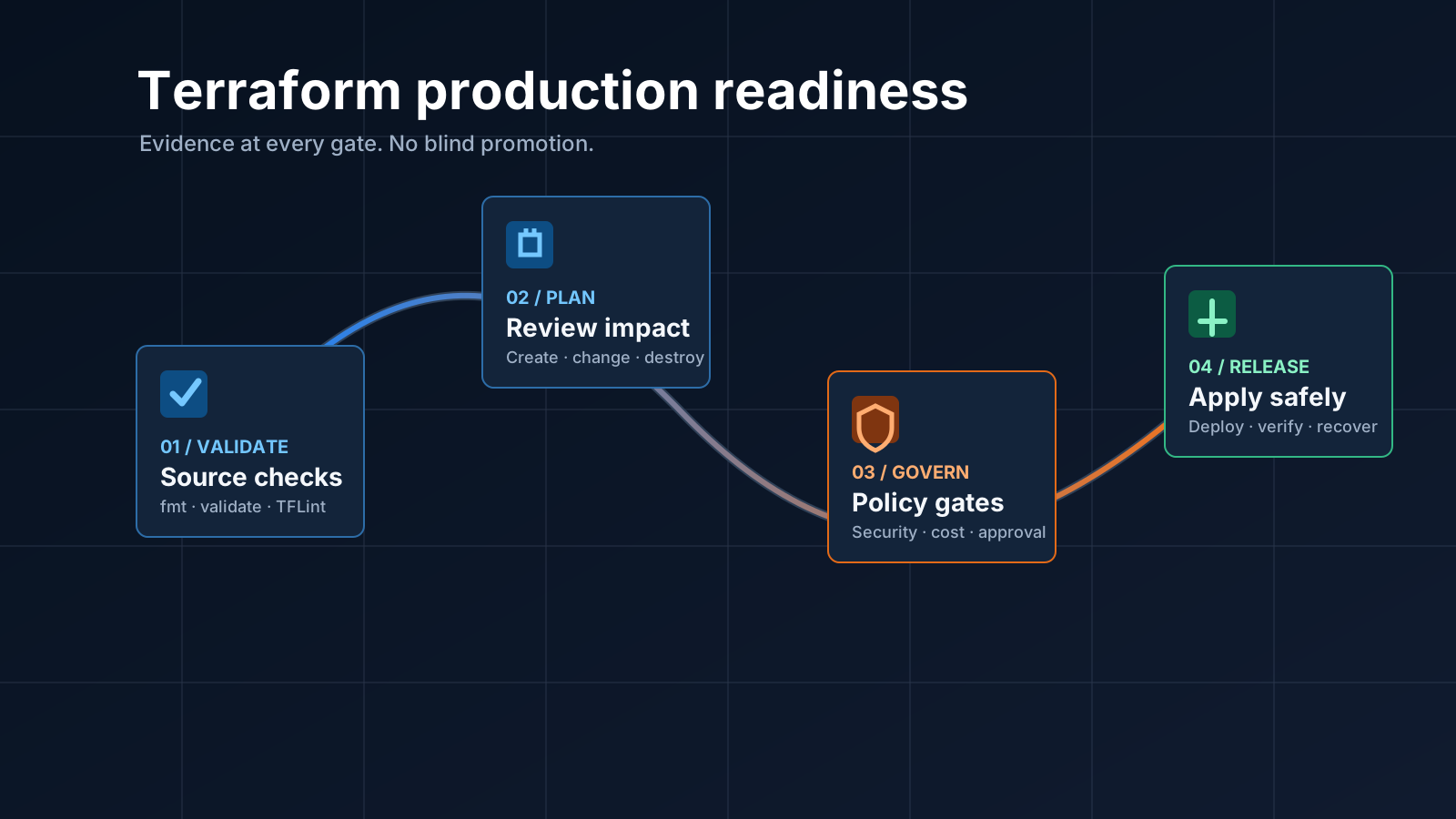
The most effective review surface connects three views: the architecture that expresses intent, the Terraform that expresses implementation, and the plan that expresses expected impact. Add policy, cost, and approval evidence to the same revision.
A stronger review does not require more meetings. It requires the right context to arrive with the change.